
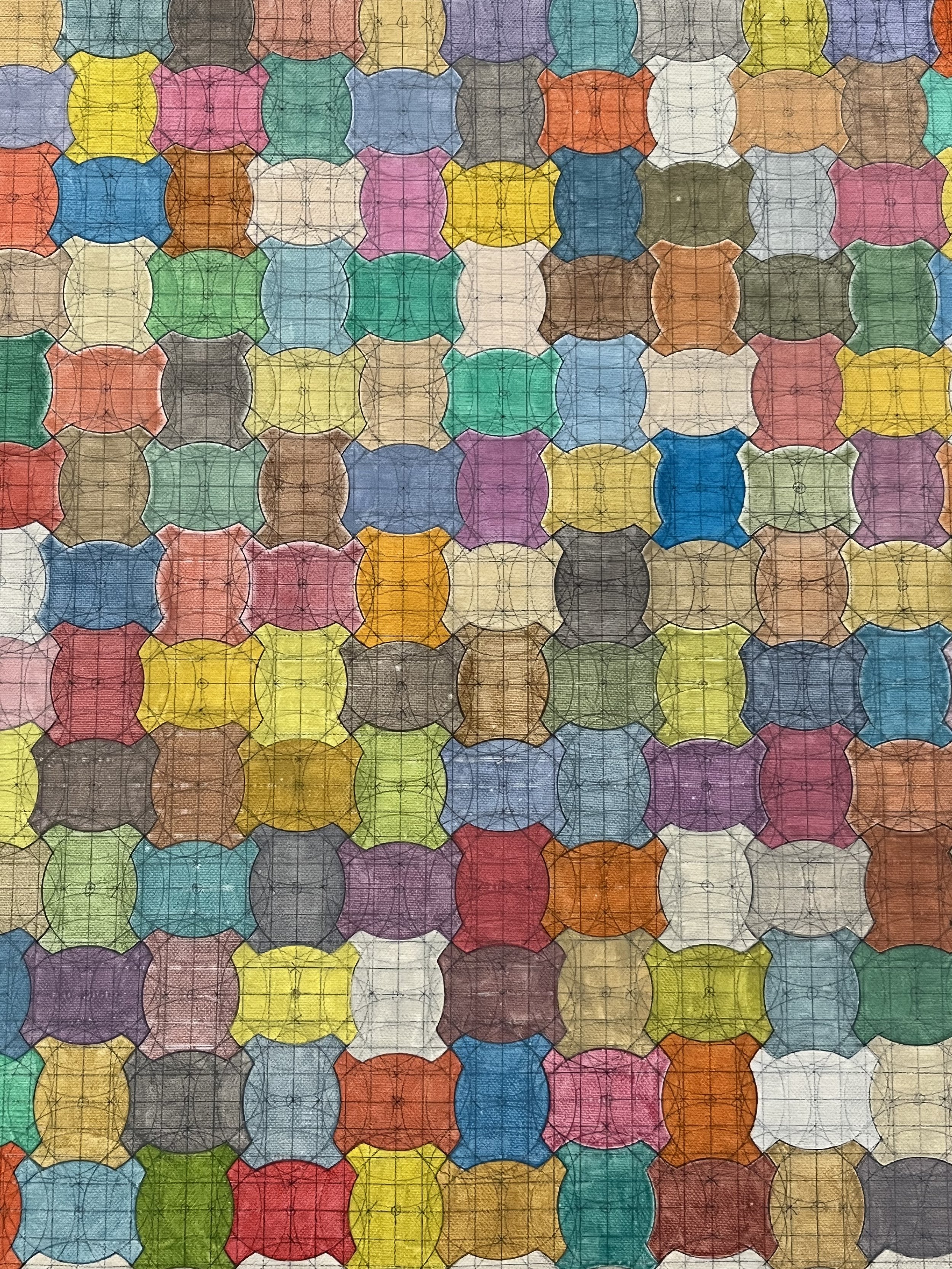
此篇是J Collection第一个mini album的首章,基于Jolene在2026年3月7日于杭州天目里美术馆所观看‘鸟先于和平’一展的经历与启发,想在这里与观看此页面的观众分享,也希望延展出更多的讨论。
This piece is the opening chapter of the first mini album of J Collection. It is based on Jolene’s experience and reflections after visiting the exhibition “Birds Before Peace” at Tianmuli Art Museum in Hangzhou on March 7, 2026. Here, she would like to share these thoughts with the viewers of this page and hopes it may open up further discussions.
Ce texte constitue le premier chapitre du premier mini-album de J Collection. Il s’appuie sur l’expérience et les réflexions de Jolene après avoir visité l’exposition « Les oiseaux avant la paix » au musée d’art Tianmuli à Hangzhou, le 7 mars 2026. Elle souhaite ici partager ces pensées avec les visiteurs de cette page et espère également ouvrir la voie à de nouvelles discussions.
Bibliotheque of Greens 一直希望向公众展示一种“嘈杂中的宁静”。在这里,人们所看到的并不是传统意义上被定义为“美丽的”或“有价值的”事物,而是更多地去感受自然本身所具有的力量,以及人在其中对自身精神与灵魂的觉察。恰好在这次展览当中也出现了一些与自然相关的词条,因此本文便从这一部分开始讨论。*
Bibliotheque of Greens hopes to reveal a kind of quietness hidden within the noise of everyday life. Rather than presenting what is conventionally defined as “beautiful” or “valuable,” the site seeks to invite people to experience the quiet force of nature itself—and the subtle awareness it can awaken within the human spirit.
As it happens, this exhibition also includes several entries related to nature. It therefore feels natural to begin the discussion from there.*
Bibliotheque of Greens souhaite montrer une forme de calme au cœur du tumulte. Ici, il ne s’agit pas tant de présenter ce que l’on appelle habituellement des choses « belles » ou « précieuses », mais plutôt d’inviter chacun à ressentir la force propre de la nature et la conscience intérieure qu’elle peut éveiller.
Or, cette exposition contient également plusieurs entrées liées à la nature. Il semblait donc naturel de commencer la réflexion par cet aspect.*
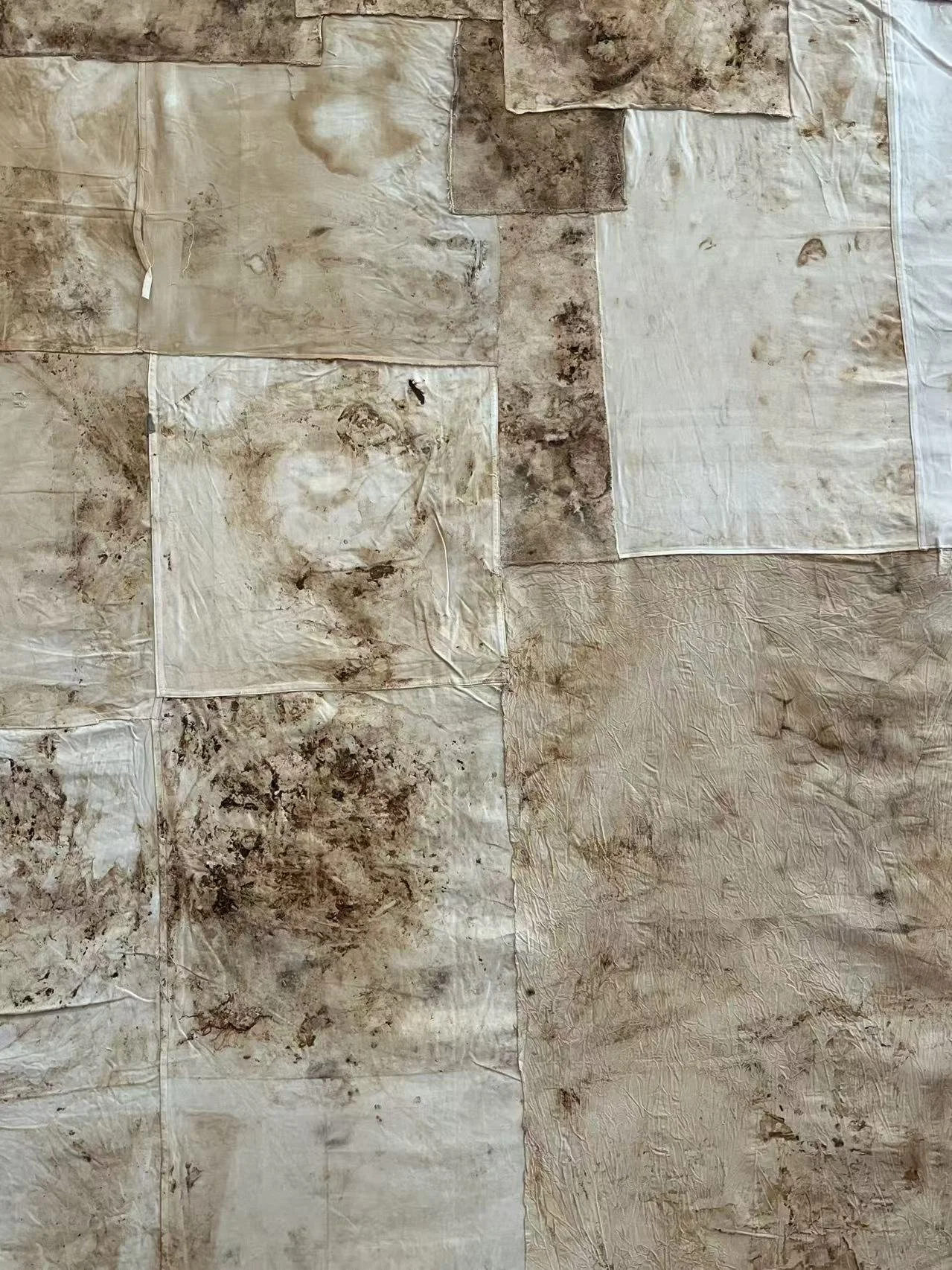
如今,无论是在国际社会、社交媒体,还是日常的人际交流之中,人们或多或少都会谈到这些问题。然而,这些讨论往往显得形式单一而乏味。笔者也曾因专业学习的要求,从学术角度观察当下关于可持续性与环保的讨论,但在当时的语境和心境之下,这个话题反而显得愈发味如嚼蜡。*
Yet today, whether in international politics, social media, or everyday conversations, these discussions often feel limited and strangely repetitive. *
Aujourd’hui pourtant, que ce soit dans les discussions internationales, sur les réseaux sociaux ou dans les conversations quotidiennes, ces sujets prennent souvent des formes limitées et répétitives. *
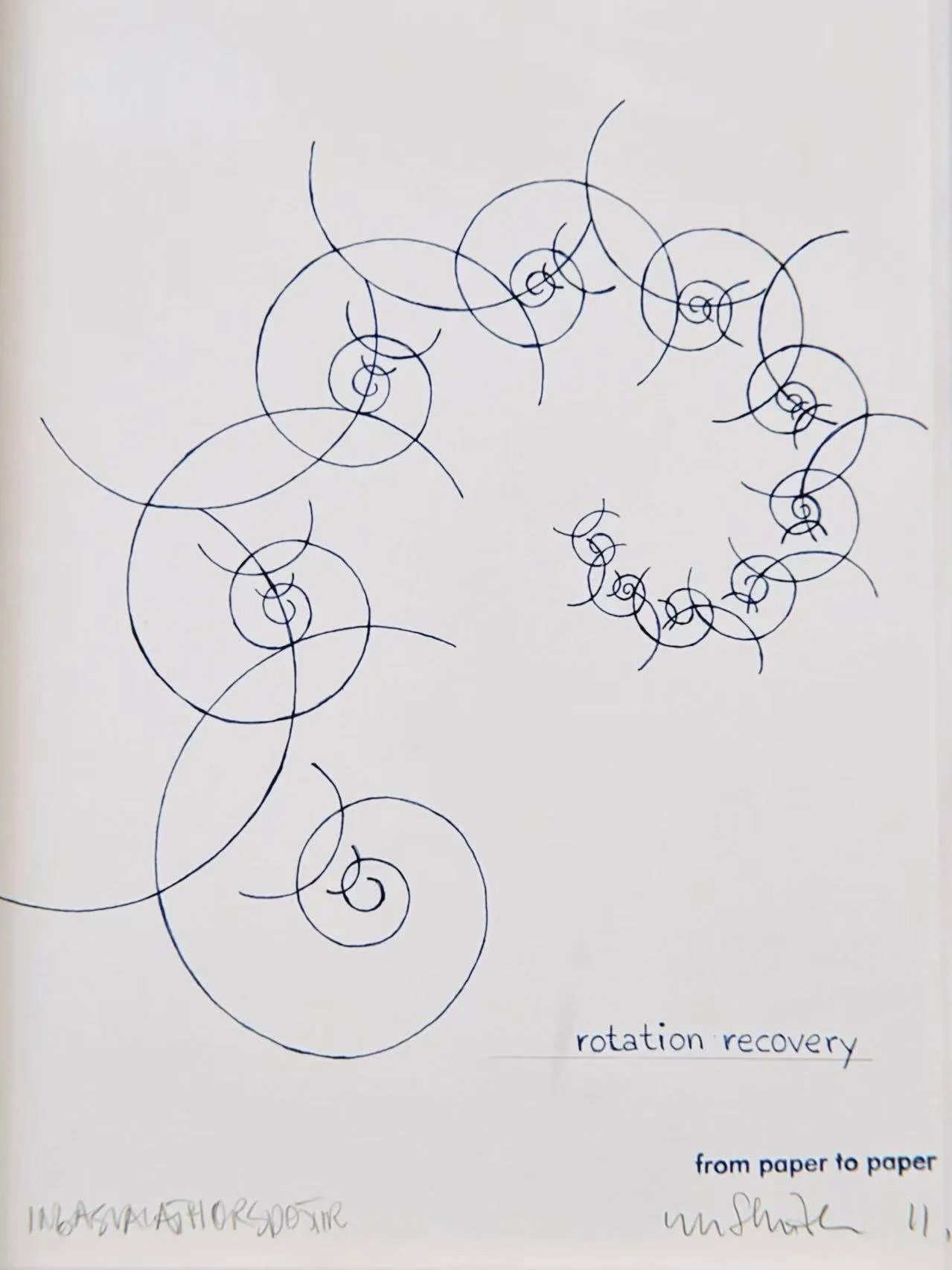
社会中的意识形态、行业信息、投资风口,乃至各种观点与叙事,在抵达人的眼睛、进入人的大脑之前,往往已经经历了无数次筛选、放大与缩小。有的部分被强化,有的部分被忽略,甚至有时事实本身也在这个过程中发生了扭曲。
由此,笔者产生了进一步的思考:如果所有因素在原本的状态下都应该被平等地听见、看见,那么当我们真正接收到它们的时候,它们却早已面目全非。
那么,什么才是事实? *
Ideologies, industry narratives, investment trends, and the countless viewpoints that circulate in society rarely reach people in their original form. Before arriving at our eyes and entering our minds, they have often already passed through countless rounds of selection, amplification, and reduction. Certain elements are emphasized, others quietly fade away, and sometimes the facts themselves become distorted along the way.
This leads to a further reflection: if all elements were meant to be seen and heard on equal terms in their original state, then by the time they reach us, they have already transformed into something entirely different.
So what, then, can be called a fact? *
Les idéologies, les discours professionnels, les tendances d’investissement, ainsi que les multiples points de vue et récits qui circulent dans la société nous parviennent rarement dans leur forme originelle. Avant d’atteindre nos yeux et d’entrer dans nos esprits, ils ont souvent déjà traversé d’innombrables processus de sélection, d’amplification ou de réduction. Certains éléments sont accentués, d’autres disparaissent discrètement, et il arrive même que les faits eux-mêmes soient déformés en chemin.
Cela conduit à une réflexion supplémentaire : si, à l’origine, tous les éléments devraient être vus et entendus de manière égale, alors au moment où nous les recevons réellement, ils ont déjà profondément changé.
Dès lors, qu’est-ce qu’un fait ? *
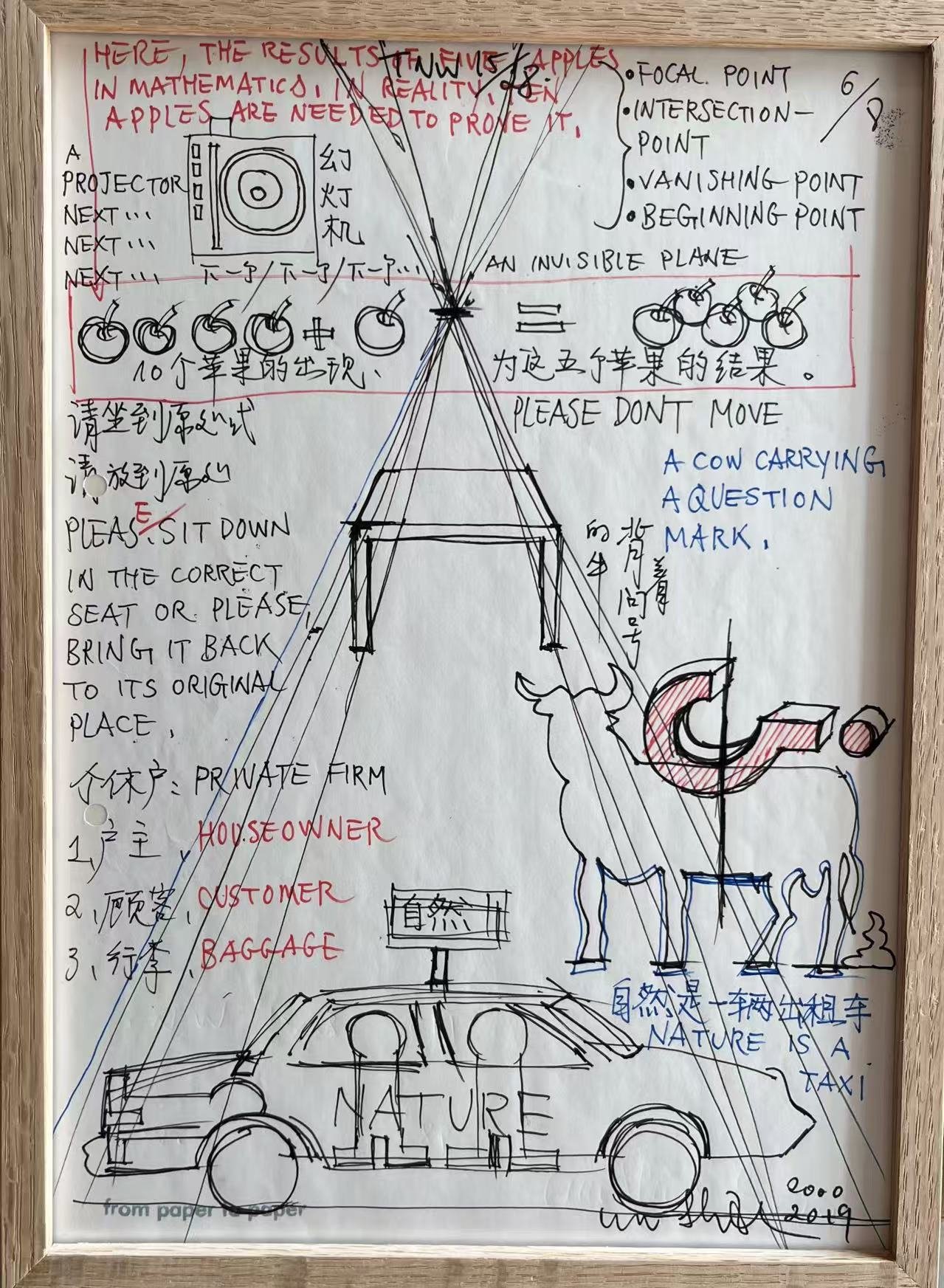
Another reflection from the exhibition that the author particularly appreciates is a metaphor that appears simple at first, yet proves remarkably vivid:
Nature is a taxi.
A taxi is a form of transportation that anyone can take. Neither the taxi nor the driver knows the destination in advance; only when a passenger gets in does the next destination become clear.
Nature, in some sense, functions in a similar way. It carries the desires of many different “passengers”—humans, animals, plants, and even microorganisms. Yet when the journey comes to an end and the passenger steps out, a certain price must inevitably be paid.
Within this metaphor lies a quiet reminder:
nature may accept everything, but the consequences must also be borne.
其实整个“鸟先于和平”所展示出来的内容,与这个网站一直希望分享的内容有着很大的重合,同时也提供了许多新的可被探讨的话题与灵感来源。
因此,在首章里,先将讨论的范围限定在与这个网站内核最为相关的部分。这也恰好是一个重新重申网站定位的机会,同时也是让笔者再次回到初心的时刻。*
Much of what Birds Before Peace presents resonates strongly with the ideas this website has always tried to share. At the same time, the exhibition opens up many new directions for reflection and inspiration.
For this first chapter, the discussion is intentionally limited to the aspects that are most closely related to the core of this website. It is also an opportunity to restate its orientation—and for the author to return, once again, to the original intention behind it.*
Une grande partie de ce que présente Birds Before Peace fait écho à ce que ce site souhaite partager depuis le début. L’exposition ouvre également de nouvelles pistes de réflexion et d’inspiration.
Dans ce premier chapitre, la discussion se limite volontairement aux éléments les plus proches du cœur du projet de ce site. C’est aussi l’occasion d’en rappeler la position et, pour l’auteur, de revenir à son intention initiale.*
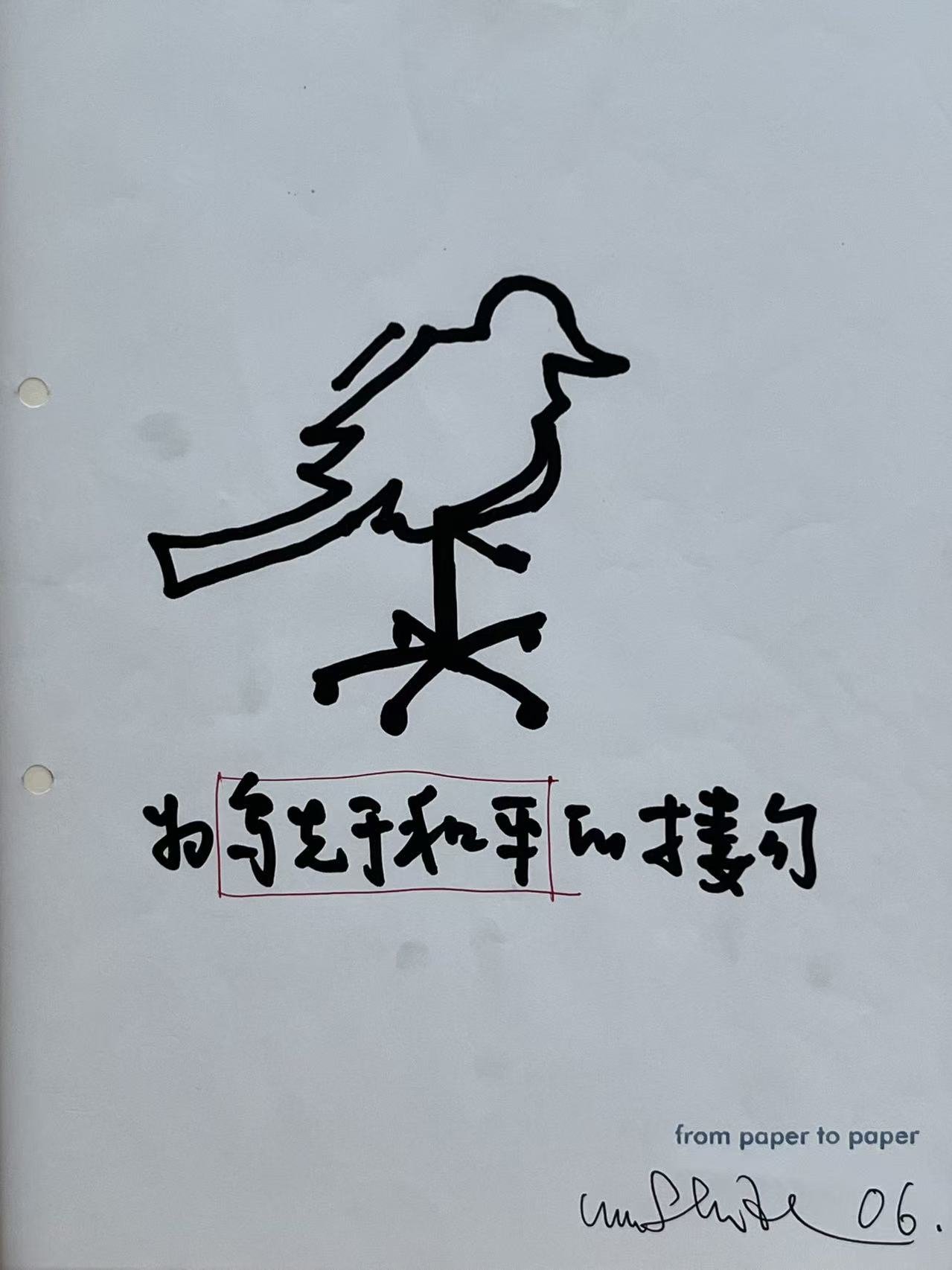
环保与自然这样的话题,其实自人类诞生以来就一直存在。随着现代化进程的推进,人类与自然之间的关系也经历了不同阶段:从彼此争夺与对抗,到逐渐意识到“殖民自然”所带来的严重后果,再到越来越多关于环境保护与可持续发展的讨论。这种矛盾逐渐成为一个必须被看见、也必须被解决的社会议题。*
Questions about nature and the environment have accompanied humanity since its earliest days. As modernization progressed, the relationship between humans and nature has shifted through different stages—from confrontation and competition, to the realization of the consequences of “colonizing” nature, and eventually to the growing discourse surrounding sustainability.*
Les questions liées à la nature et à l’environnement accompagnent l’humanité depuis toujours. Avec la modernité, la relation entre l’être humain et la nature a évolué : d’une relation de confrontation à une prise de conscience progressive des conséquences de la « colonisation » de la nature, puis à l’émergence de débats autour de la durabilité.*
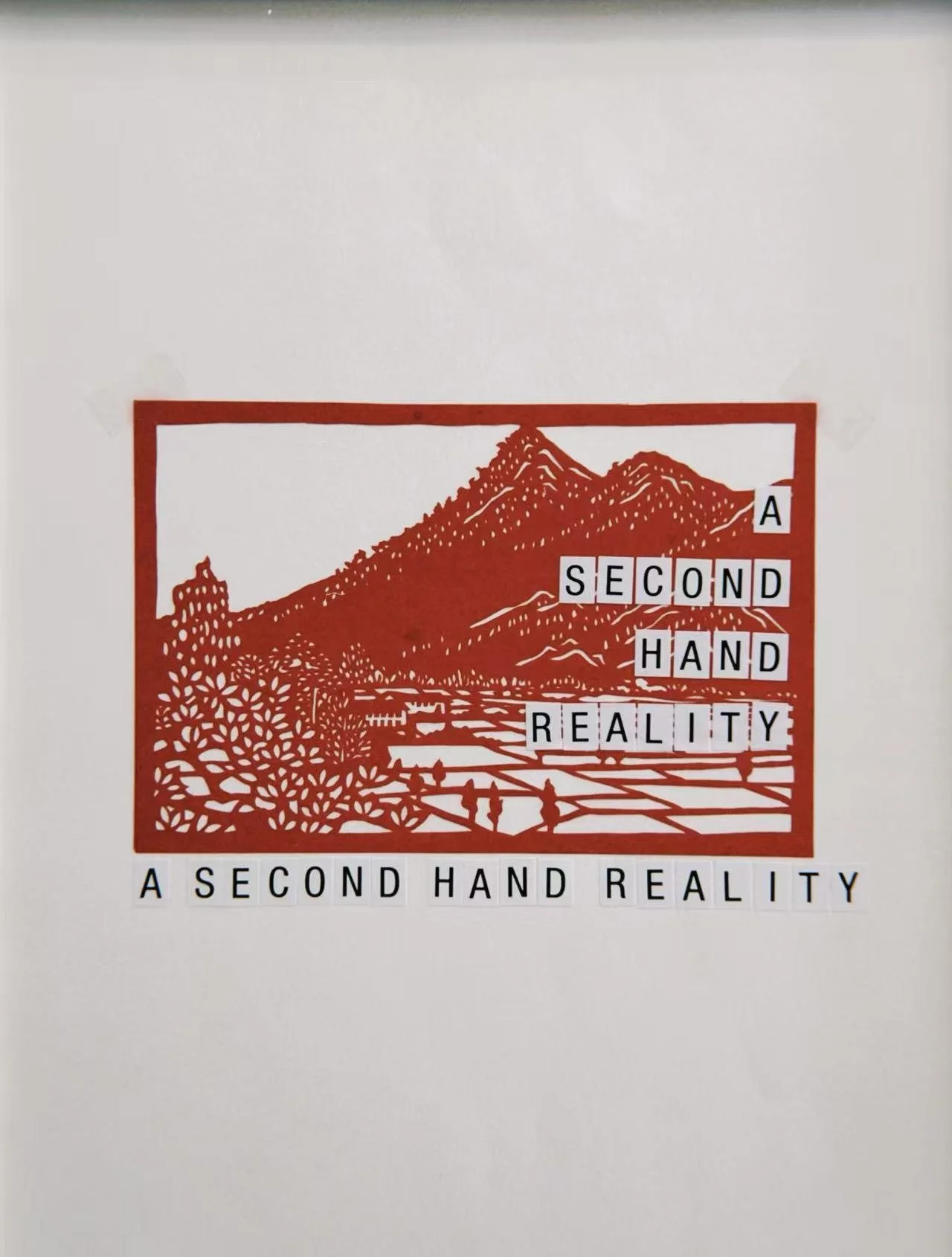
然而,在这次展览中,对于这个看似陈旧的议题,却出现了两个十分吸引人的思考。
第一个,是“二手水”的概念。
“二手”通常指曾经被他人使用过的东西。关于这个“东西”,并没有严格的范围界定,但在日常生活中,人们往往将其理解为各种人造产品,例如电子设备、生活用具等等。
在这样的语境下,“二手水”这个词便显得有些陌生。因为在我们的直觉里,无论是家庭还是公共场所流出的水,都似乎是“新鲜的”“一手的”。然而艺术家指出,人类所使用的水几乎全部都经过处理和过滤,这些水并非直接来自天然环境。当然,以当下的环境状况来看,人类也确实已经无法直接饮用自然中的水源。
但“二手水”这个词的提出,所指向的并不仅仅是水本身。它更像是一种隐喻,提醒人们:生活中那些被我们理所当然地视为“原始”的事物——例如思想、信息——其实同样也都是经过处理之后才来到我们面前的。而与处理水不同的是,思想和信息的“处理”远比水的净化复杂得多。*
Within the exhibition, an intriguing concept emerges around this seemingly familiar topic: second-hand water.
The word “second-hand” is usually associated with objects previously used by others—often manufactured goods such as electronics or household items.
Yet the idea of second-hand water feels strangely unfamiliar. In our everyday perception, the water flowing from our taps appears fresh, immediate, almost original.
What the artist points out, however, is that nearly all the water we use has been processed and filtered. It does not come to us directly from the natural environment. *
Dans l’exposition apparaît un concept particulièrement intriguant : celui de « l’eau de seconde main ».
Le terme « seconde main » désigne généralement des objets déjà utilisés par d’autres, le plus souvent des produits fabriqués comme des appareils électroniques ou des objets domestiques.
Mais l’expression « eau de seconde main » paraît étrange. Dans notre perception quotidienne, l’eau qui sort du robinet semble toujours fraîche, presque originelle.
Or l’artiste rappelle que l’eau que nous utilisons a presque toujours été traitée et filtrée. Elle ne provient pas directement de la nature. *
或许每个人所理解的事实,本身也都是被“处理过”的。某种意义上,人类社会中也许根本不存在真正的一手。我们所拥有的、所使用的,甚至那些让我们自以为独一无二的事物,实际上都来自无数次的转译与再创造。
如果如此,人或许也不必执着于什么才是“更新”的,什么才是“更好”的。
例如,人们常说“你拥有智慧”。但智慧并不是可以凭空获得的,它需要不断从世界的各个角落汲取:从不同的书籍、电影、访谈,以及不断的实践经验中慢慢习得。对于每一个人来说,这些知识与经验其实都属于“二手”,甚至可以说是“第无数手”。
只要人类仍然处在既存的社会框架之中,那么所谓真正的“一手智慧”,也许从未存在过。*
Perhaps the facts each of us perceives have also been “processed.” In a certain sense, there may be no true first-hand experience within human society. What we possess, what we use, and even the things we believe to be uniquely our own are often the result of countless translations and reinterpretations.
If that is the case, perhaps there is little need to be overly concerned with what is “newer” or “better.”
People often say that someone “possesses wisdom.” Yet wisdom does not appear out of nowhere. It is gradually gathered from many corners of the world—from books, films, interviews, and repeated experiences of practice. For everyone, this knowledge is already second-hand, or perhaps more accurately, many hands removed.
As long as humanity continues to exist within an established social framework, what we call truly “first-hand wisdom” may never have existed at all.*
Peut-être que les faits tels que chacun les perçoit sont eux aussi « traités ». D’une certaine manière, il n’existe peut-être pas de véritable première main dans la société humaine. Ce que nous possédons, ce que nous utilisons, et même ce que nous considérons comme unique provient souvent d’innombrables traductions et réinterprétations.
Si tel est le cas, il n’est peut-être pas nécessaire de s’attacher excessivement à ce qui serait « plus nouveau » ou « meilleur ».
On dit souvent que quelqu’un « possède de la sagesse ». Pourtant, la sagesse ne surgit pas de nulle part. Elle se construit progressivement à partir de nombreuses sources : livres, films, entretiens et expériences accumulées au fil du temps. Pour chacun de nous, ces connaissances sont déjà de seconde main — ou, plus précisément, transmises à travers d’innombrables intermédiaires.
Tant que l’humanité demeure à l’intérieur de cadres sociaux déjà établis, ce que l’on appelle une véritable « sagesse de première main » n’a peut-être jamais réellement existé.*
展览中另一个让笔者十分喜欢的思考,是一句看似简单却非常生动的比喻:
自然就是出租车。
出租车是一种任何人都可以搭乘的交通工具。出租车和司机并不知道自己要去哪里,只有在接到乘客之后,才会知道下一段路程的目的地。
自然在某种程度上也类似于此。它可以承载各种“乘客”的欲望——无论是人类、动物、植物,还是微生物。然而,当旅程结束、乘客下车的时候,终究需要付出相应的代价。
在这个比喻之中,似乎隐藏着一种提醒:
自然可以接纳一切,但后果同样也必须被承担。
在现实世界里,人类社会早已透支了许多原本属于自然的“信用”。动植物仍然在努力维持着生态的平衡,而人类却常常希望获得更多,不满足于简单的收支平衡。这样的思想状态与行为模式,已经反复被历史证明。*
In the real world, human society has long been drawing on credit that originally belonged to nature. Plants and animals continue to struggle to maintain ecological balance, while humans often seek more, rarely satisfied with simple equilibrium. This mindset, along with the patterns of behavior that accompany it, has been demonstrated repeatedly throughout history.*
Dans le monde réel, la société humaine a depuis longtemps commencé à puiser dans un crédit qui appartenait à l’origine à la nature. Les plantes et les animaux continuent de tenter de maintenir l’équilibre écologique, tandis que les humains cherchent souvent davantage, sans se satisfaire d’un simple équilibre entre ce qui est pris et ce qui est rendu. Cet état d’esprit et ces modes d’action ont été confirmés à maintes reprises par l’histoire.*
人类确实因此获得了许多,同时也失去了许多。从某种意义上看,这也许仍然是一种新的平衡——只是在人类未来很长的一段时间里,都需要慢慢偿还这张漫长的欠条。
说到这里,讨论似乎又回到了那个最为普遍的议题:人与自然的关系。*
Humanity has indeed gained much through this process, but it has also lost much. In a certain sense, this may still represent another form of balance. Yet for a long time to come, humanity will need to slowly repay this long-standing debt.
At this point, the discussion seems to circle back to one of the most familiar questions: the relationship between humans and nature.*
L’humanité a effectivement beaucoup gagné grâce à ce processus, mais elle a également beaucoup perdu. D’une certaine manière, cela constitue peut-être encore une forme d’équilibre. Toutefois, pendant longtemps encore, l’humanité devra progressivement rembourser cette longue dette.
À ce stade, la réflexion semble revenir à l’une des questions les plus universelles : la relation entre l’être humain et la nature.*
但笔者最喜欢的,其实还是这个比喻本身的灵巧。它将现代生活中的意象,与原始自然的关系轻轻地连接在一起。对于那些已经在钢筋水泥的城市里生活太久的人来说,这样的表达也许更容易唤起某种久违的共情。*
What the author appreciates most, however, is the elegance of the metaphor itself. It gently connects an image from modern life with the deeper logic of the natural world. For those who have lived for too long among steel and concrete, such an image may awaken a sense of empathy that has long been dormant.*
Mais ce que l’auteur apprécie le plus reste la finesse de cette métaphore. Elle relie délicatement une image de la vie moderne à la logique plus profonde de la nature. Pour ceux qui vivent depuis trop longtemps au milieu du béton et de l’acier, une telle image peut raviver une forme d’empathie restée longtemps endormie.*
Une autre réflexion de l’exposition que l’auteur apprécie particulièrement repose sur une métaphore à première vue simple, mais étonnamment évocatrice :
La nature est un taxi.
Le taxi est un moyen de transport que tout le monde peut emprunter. Ni le véhicule ni le chauffeur ne connaissent la destination à l’avance ; ce n’est qu’au moment où un passager monte à bord que la direction du trajet se précise.
La nature semble fonctionner d’une manière comparable. Elle peut accueillir les désirs de nombreux « passagers » — humains, animaux, plantes, voire micro-organismes. Pourtant, lorsque le voyage se termine et que le passager descend, un certain prix doit toujours être payé.
Dans cette métaphore se cache peut-être un rappel discret :
la nature peut tout accueillir, mais les conséquences doivent également être assumées.
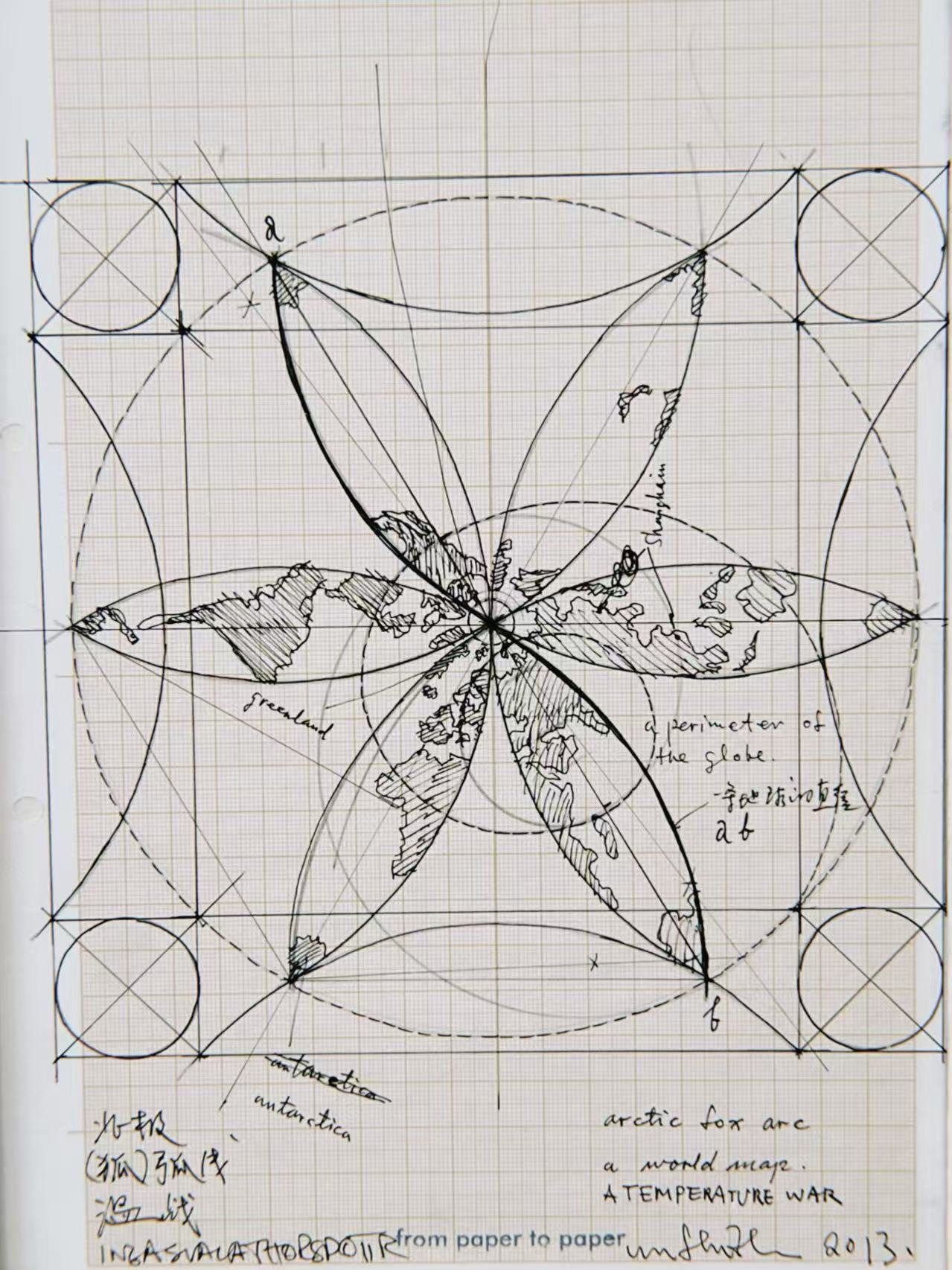
这篇小文章在未来仍然会持续被修改和补充。
在某种意义上,它或许也是送给 2026 年 最好的礼物之一。
This small essay will continue to be revised and expanded in the future.
In a certain sense, it may also be one of the best gifts for 2026.
Ce petit texte continuera sans doute à être modifié et enrichi au fil du temps.
D’une certaine manière, il constitue peut-être aussi l’un des plus beaux cadeaux pour 2026.